

How Local Fan Culture Turns Games into Civic Identity
College football rivalries are often discussed in terms of trophies, rankings, and championships. For those who truly understand the sport, however, rivalries are less about the scoreboard and more about geography, memory, and belonging. In many American cities and regions, these matchups function as cultural fault lines. They reorganize local life, redefine social hierarchies, and shape how entire communities perceive themselves.
Unlike professional sports, college football is deeply rooted in place. Universities are not franchises that relocate; they are civic institutions tied to specific histories, economies, and identities. When two programs collide year after year, the rivalry becomes a recurring negotiation of meaning between neighboring cities, towns, or regions. Understanding these dynamics does more than enrich appreciation of the sport itself; it sharpens how fans interpret competitive environments, odds, and context, which is why many seasoned followers also keep an eye on resources such as a prizepicks promo code PRIZESFA as part of a broader, data-informed approach to sports engagement. What follows is an examination of several iconic college football rivalries, viewed not through wins and losses, but through the local fan cultures that give them lasting relevance.
The Game
Columbus and Ann Arbor: A Border That Never Moves
Few rivalries in American sports carry the cultural density of the annual meeting between the Ohio State Buckeyes and the Michigan Wolverines. Known simply as The Game, this matchup transcends athletics and operates as a referendum on regional identity between Ohio and Michigan.
In Columbus, Ohio State is not merely a university; it is the city’s central cultural institution. Saturdays are planned months in advance around kickoff times. Entire neighborhoods schedule weddings, reunions, and even business travel with the football calendar in mind. In Ann Arbor, Michigan’s football culture expresses itself differently, blending athletic passion with academic prestige and a strong sense of historical guardianship over the sport.
The rivalry permeates everyday life. Language itself becomes symbolic, with fans in Ohio famously avoiding the letter associated with their rival during game week. Stadiums function as civic landmarks, and local radio transforms into a continuous forum for collective anticipation and anxiety. Families divided by state lines experience the game as a personal reckoning, not a casual entertainment.
This rivalry defines both cities through opposition. Columbus understands itself partly through resistance to Ann Arbor, while Ann Arbor reinforces its identity by rejecting Columbus. The football game serves as the annual ritual that renews this shared understanding.
Iron Bowl
Alabama Without Neutral Ground
If The Game resembles a border dispute, the Iron Bowl is closer to a civil conflict. The annual clash between the Alabama Crimson Tide and the Auburn Tigers divides the state of Alabama with remarkable intensity.
In this context, allegiance is rarely a choice. It is inherited, reinforced through family, and affirmed through social belonging. Birmingham, positioned between Tuscaloosa and Auburn, becomes the epicenter of this rivalry, where workplaces, schools, and social spaces subtly align along team loyalties.
The Iron Bowl thrives on proximity. Fans coexist daily, attending the same churches and working in the same industries. Victory does not simply bring joy; it brings narrative control for an entire year. Visual symbols such as yard signs and car decals become tools of cultural assertion rather than decoration.
The power of the Iron Bowl lies in its ability to dominate the state’s attention. Political debates pause, economic concerns fade into the background, and for one weekend, Alabama collectively agrees on what matters most.
Red River Showdown
Dallas as a Temporary Neutral Zone
The Red River Showdown between the Texas Longhorns and the Oklahoma Sooners occupies a distinct cultural space because it does not belong exclusively to either campus. Instead, it transforms Dallas into a temporary meeting ground for two deeply proud football cultures.
Held annually at the Cotton Bowl during the Texas State Fair, the game visually and symbolically divides the stadium into equal halves. Burnt orange and crimson face each other in a carefully maintained balance that mirrors the broader rivalry between the two states.
Dallas absorbs the event completely. Hotels fill, traffic patterns collapse, and the fairgrounds become a living exhibition of regional football identity. The rivalry blends celebration with confrontation, driven by decades of competitive history and state-level stereotypes that fans eagerly perform.
What distinguishes this rivalry culturally is its theatrical nature. Fans are not passive observers but active participants in a ritual designed to project identity on a national stage. Dallas becomes the setting, the stadium the focal point, and the crowd the driving force of the narrative.
Army–Navy Game
When Football Reflects National Identity
The annual meeting between the Army Black Knights and the Navy Midshipmen differs fundamentally from other rivalries. While deeply competitive, it is rooted in institutional identity rather than geography alone.
This game belongs to West Point and Annapolis, but also to a national audience that recognizes its symbolic significance. Pageantry plays a central role. March-on ceremonies, uniforms, and formal traditions turn the event into a civic ritual rather than a conventional sporting contest.
For cadets and midshipmen, the rivalry offers a rare moment where hierarchy and discipline give way to pure allegiance. Local economies benefit from the influx of visitors, but the deeper impact is cultural. The game reinforces a narrative of competition within unity, demonstrating how rivalry can coexist with shared purpose.
Why These Rivalries Matter Beyond the Field
What connects these rivalries is not simply tradition, but locality. Each matchup acts as an annual checkpoint where communities reaffirm who they are, who they are not, and what they value. Bars, radio stations, workplaces, and family tables become extensions of the stadium itself.
For experts studying sports culture, these rivalries represent continuity in an era of rapid commercialization. Coaches change, conferences realign, and media rights expand, yet the emotional structure of these games remains strikingly stable.
College football rivalries define cities because they embed sport into everyday life. They turn fandom into identity and competition into collective memory. As long as universities remain anchored to place, these rivalries will continue to shape how cities understand themselves, one Saturday at a time.
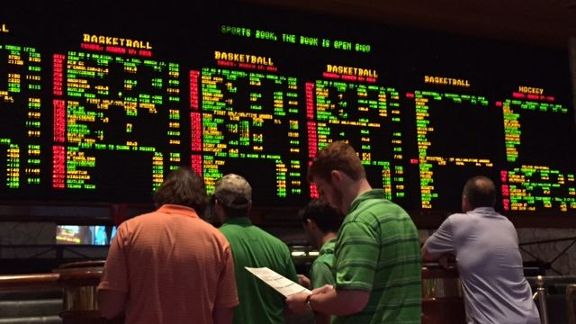
Beyond the Sportsbook: How Illinois Sports Fans Are Discovering Sweepstakes Casinos
Read MoreFor More Great Chicago Sports Content

Get the latest Chicago sports news, analysis, and breaking stories on the Bears, Bulls, Blackhawks, Cubs, White Sox, Sky, and more! Tap the star to add us to your favorites on Google News, so you never miss a story on your favorite Chicago teams.
Follow us on Twitter at @chicitysports23 for more great content. We appreciate you taking time to read our articles. To interact more with our community and keep up to date on the latest in Chicago sports news, JOIN OUR FREE FACEBOOK GROUP by CLICKING HERE
